
For those of us obsessed with the mechanics of flight, a trip to the Outer Banks of North Carolina or the quiet fields of Ohio is like a pilgrimage to the birthplaces of modern travel. We’ve all seen the grainy footage of the Wright Flyer wobbling into the air, but standing on the actual ground where it happened is just something else. It’s easy to dismiss these spots as just “historical markers,” but that would be a mistake.
The problem with most aviation tours is that they often feel like a tourist gimmick, AKA something designed for a quick photo-op without actually delivering any real connection to the history. If you’re going to make the trip, you want to do it properly. You want to see the dunes where they glided and the prairie where they actually learned to turn the plane. In other words, the secret to a successful pilgrimage is knowing how to separate the “tourist traps” from the authentic sites that actually tell the story.
In This Article:
The Outer Banks: Standing Where it Started
The first thing to note is that the Wright Brothers National Memorial in Kitty Hawk is a high-stakes environment for history lovers. The hill where they launched their 1902 glider is a massive, silent witness to the sheer persistence it took to get off the ground. But if you’re visiting for the first time, you need to be sensible about your timing.
We’d recommend avoiding the mid-summer rush when the heat and the crowds can make the dunes feel a bit wilted. Instead, it’s better to visit in the shoulder months – specifically late spring or early autumn. This is when the wind mimics the conditions the Wrights actually needed, and the memorial itself feels a bit more like the isolated laboratory it once was. You can walk the markers of the first four flights without fighting for space, which gives you the quiet you need to really digest the significance of those few seconds in the air.
Dayton and the First Craft
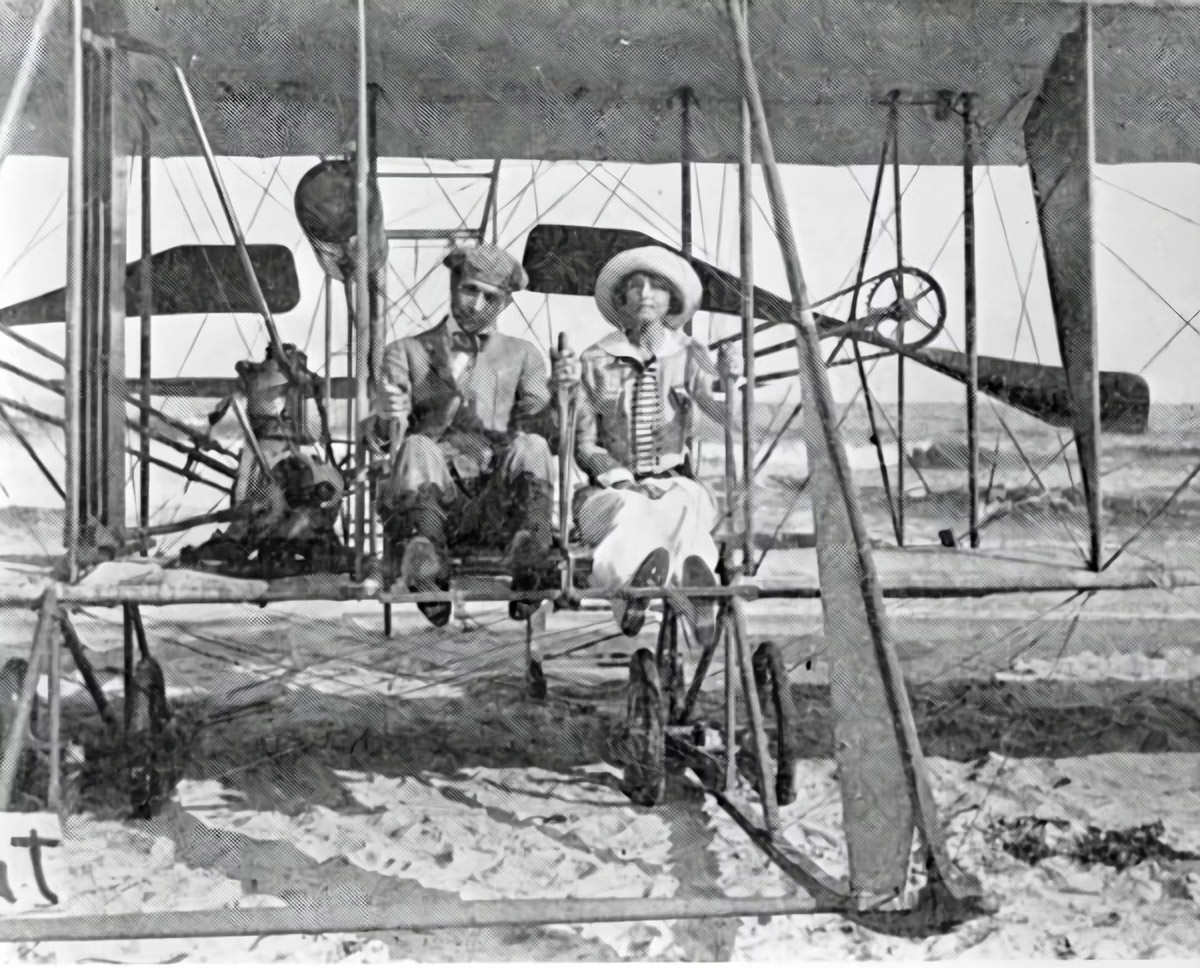
While Kitty Hawk gets the headline “First Flight,” it was in Dayton, Ohio, that the brothers actually turned a prototype into a functional aircraft. If you want to see the “long-term value” of their work, you have to visit the Huffman Prairie Flying Field. This is the spot where they practiced in 1904 and 1905, often under the radar of the local press.
For an “insider” tip, keep an eye on the schedule for the local historical re-enactments. Seeing a crew in period-accurate clothing working on a replica of the 1905 Flyer gives you a much better sense of the scale and the fragility of these machines than a museum plaque ever could. It turns a “niche” historical fact into something tangible and relatable.
Finding Your Basecamp
When planning your pilgrimage to the Outer Banks or Dayton, finding the right home base is key. You can compare all types of nearby accommodations on cozycozy to find everything from historic inns to modern beachfront rentals. By seeing all your options in one view, you’re ensuring that your stay addresses a real problem – like being close to the Memorial at sunrise – rather than existing simply for convenience.
What you shouldn’t do is book a generic hotel three towns over and assume it won’t affect your experience. Staying in a historic inn in Dayton or a quiet rental near Kill Devil Hills allows you to stay embedded in the history. It’s about building a trip that functions as a single, cohesive experience rather than a collection of random stops.
While You’re There…
In the Outer Banks, you really shouldn’t skip Jockey’s Ridge State Park. It’s home to the tallest living sand dunes on the Atlantic coast, and it’s where you can actually try hang gliding for yourself. It’s one thing to read about lift and drag; it’s another to feel it while launching off a dune. If you want a more mechanical perspective, head over to Manteo on Roanoke Island. There, you can take an aero tour in an authentic WWII bi-plane trainer, which gives you a bird’s-eye view of the lighthouses and the Memorial that you simply can’t get from the ground.
Dayton is just as generous with ‘other things to see’. If you want a more personal look at the brothers themselves, a visit to Carillon Historical Park is a must. It houses the 1905 Wright Flyer III, which the brothers considered their most important aircraft because it was the first truly practical flying machine. Finally, a quiet walk through Woodland Cemetery and Arboretum will lead you to the final resting place of Orville and Wilbur.